- Jason Reynolds
"The antidote to hopelessness is young people."
- Jason Reynolds


Her eyes widened as she looked back at me. "What if they truly are winning, Chaya? What happens then?"
I'd asked myself that same question countless times. If they won, the extermination that began with us would extend to anyone they viewed as a threat to their twisted ideals. If there was any chance of them winning, then the resistance mattered more than ever.
"The Nazis murder us many times over. They take our ability to worship properly - a spiritual death. They separate our families - another death there. They kill our dignity, our will to live, and finally they take our lives. The question isn't whether my family is gone. It's only a matter of how many deaths they've suffered so far."
Historians might say that the Jews lost every uprising we attempted in this war, that every resistance movement failed.
I disagree.
We proved that there was value in faith. There was value in loyalty. And that a righteous resistance was victory in itself, no matter the outcome.
We got our three lines of history.
May we never forget. May we live with honor at all times, regardless of our circumstances. And may we choose love, a weapon that will defeat hate every single time.
Love is the resistance.


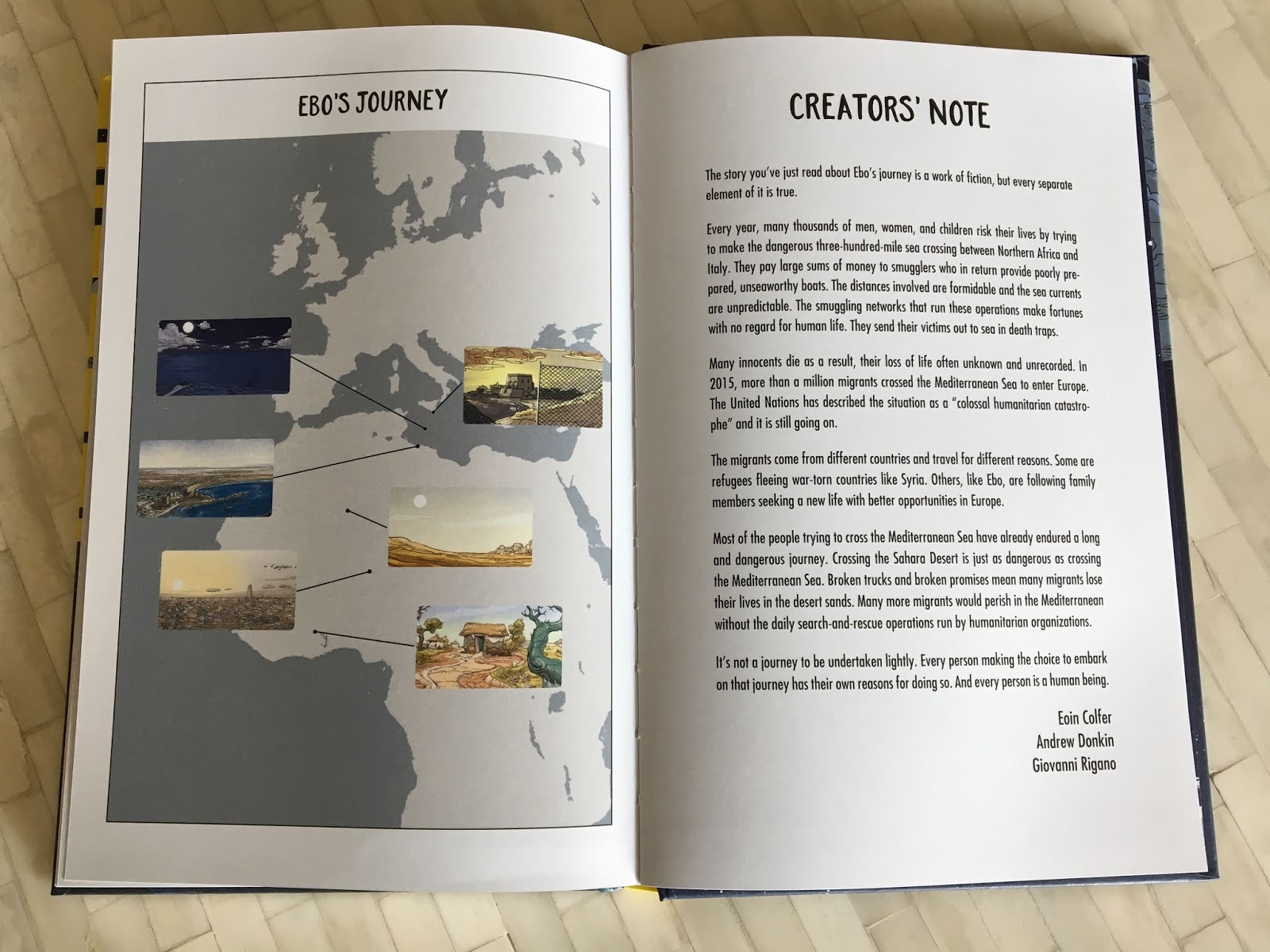
The book's title is arguably provocative, however. "Illegal is quite a controversial word in this context," Colfer says. "Often migrants are referred to as illegal, but the children cannot understand how they can be illegal for simply existing on planet Earth." Colfer adds that he and Donkin took the title from a quote by author and Holocaust survivor Elie Wiesel, which begins, "You who are so-called illegal aliens must know that no human being is ‘illegal.' That is a contradiction in terms."

"You, who are so-called Illegal Aliens, must know that no human being is Illegal. This is a contradiction in terms. Human beings can be beautiful or more beautiful, they can be fat or skinny, they can be right or wrong, but Illegal? How can a human being be Illegal?"


Alexander Hamilton wrote that ordinary Americans had the opportunity to participate in "reflection and choice" about how they wished to be governed. The First Congress took him up on that offer in 1789 by proposing the series of amendments called the Bill of Rights.

